
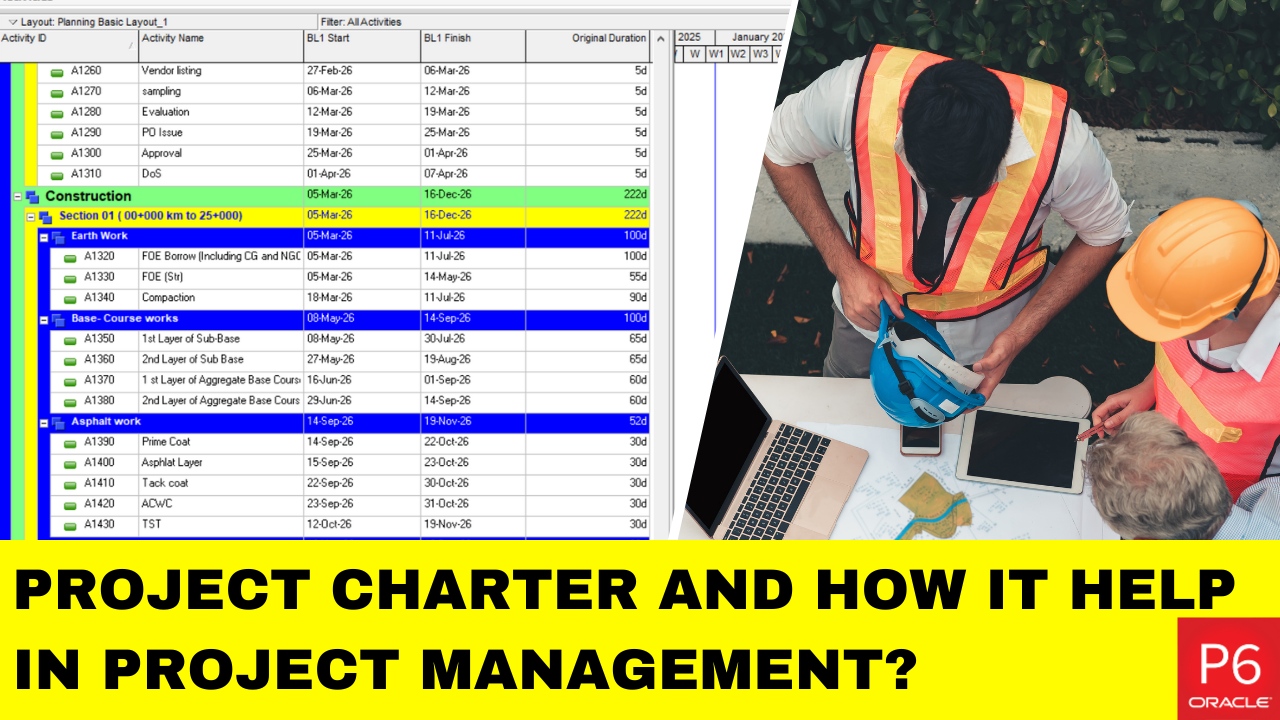
A project’s success often depends on how clearly it is defined from the very beginning. This is where a project charter plays a critical role. A project charter is a formal document that authorizes the project, outlines its objectives, and establishes the project manager’s authority. In project management, it serves as a reference point for stakeholders, ensuring alignment on scope, goals, and responsibilities.
In this blog, we will explain what a project charter is, its key elements, and when you should create one for effective planning.
What Is the Primary Purpose of a Project Charter?
A project charter serves as a high-level roadmap for project managers and teams, outlining the project’s objectives, deliverables, and constraints. By setting clear boundaries and direction from the start, the project charter ensures everyone is aligned before execution begins. Beyond establishing the project’s core framework, a project charter also provides organizational and operational benefits, such as:
- Officially approves the project to move forward
- Grants the project manager the authority to allocate budget and utilize organizational resources
- Outlines the project’s high-level requirements and key expectations
- Connects the project to the organization’s broader strategy and ongoing initiatives
Moreover, if you want to strengthen your practical skills in project planning and execution, our EPC Planning Control Course provides hands-on training on creating and managing project charters effectively within complex projects.
Step-by-Step Guide to Create a Project Charter
Creating a project charter is a structured process that involves key stakeholders and the project team. Follow these steps to ensure your charter sets a solid foundation for project success:
- Explain Business Need
Explains the current situation, problem, or opportunity that triggered the project and why action is necessary at this time. It also outlines the potential impact on the organization if the project is approved or if no action is taken.
- Define Project Vision and Measurable Objectives
Describes the overall vision of the project and outlines clear, measurable goals that define success. These objectives should align with performance indicators that allow stakeholders to track progress effectively.
- Establish Clear Objectives
Identifies what the project will include, what it will exclude, and the major outputs expected upon completion. Clearly defined boundaries help prevent scope creep and ensure the team remains focused on agreed priorities.
- Identify Stakeholders and Governance Structure
Lists key stakeholders, clarifies their roles, and defines how decisions, approvals, and escalations will be managed. Moreover, establishing governance early promotes accountability and smooth communication throughout the project lifecycle.
- Create High-Level Timeline
Provides an overview of important phases, checkpoints, and target dates to guide overall progress. This timeline sets expectations and offers a framework for monitoring performance at a strategic level.
- Estimate Resources and Budget Allocation
Summarizes required personnel, tools, and financial resources, along with any funding approvals or constraints. Proper resource planning ensures the project has the necessary support to meet its objectives efficiently.
- Assess Risks, Assumptions, and Dependencies
Highlights potential uncertainties, critical assumptions, and external factors that could influence project outcomes. Identifying these elements early enables proactive planning and risk mitigation strategies.
Are You a Newbie to Project Management!
Here’s our detailed video on how to start a project as a planning engineer
When Should You Create a Project?
A project charter should be prepared during the project initiation phase, before any execution work begins. It acts as the formal approval that allows the project to move forward. Since it defines the project’s purpose, scope, goals, and key responsibilities, it must be reviewed and approved before the project officially starts. The following are the 2 phases of project charter creation:
Project Initiation Phase
The initiation stage focuses on building a strong foundation. At this point, you define the key elements that will guide the project from start to finish.
During this phase, you should:
- Clearly define the project’s purpose, goals, and overall scope
- Identify key stakeholders and outline their roles
- Estimate a preliminary budget and timeline
- Identify major risks, assumptions, and constraints
- Obtain formal approval from the project sponsor
Strategic Planning and Approval Stage
Although the charter is created early, it must go through the organization’s approval process as part of strategic planning. This step confirms that the project aligns with business priorities and that the necessary resources will be available.
Before submitting the charter for approval, review it carefully to ensure the information is clear and complete. A well-structured document makes it easier to gain stakeholder support and avoid misunderstandings later.
Approval is usually required from:
- Executive sponsors
- Key stakeholders
- Department or functional managers
- Finance teams
- Regulatory or compliance authorities (if required)
Once approved, the project charter becomes the official authorization to proceed and serves as a reference point throughout the project lifecycle.
Besides this, if you’re involved in complex operations, our Plant Shutdown Management Course teaches how to create detailed project charters and plans while managing resources.
Conclusion
A project charter is the cornerstone of successful project management, providing clarity, direction, and formal authorization from the outset. It ensures that all stakeholders understand the project’s purpose, scope, and objectives, reducing confusion and aligning expectations.
In this blog, we break down the essential steps to create a project charter and guide you through the stages of development that build a solid foundation for your project.
By following these steps, you can create a strong project charter that clearly defines the project’s purpose, scope, objectives, governance, risks, budget, and approval framework.